
Polytetramethylene ether glycol (PTMEG, polytetrahydrofuran, CAS 25190-06-1) is the premium polyether polyol used where a polyurethane has to survive flexing cycles for years. Its regular, linear backbone and low unsaturation let the soft segment crystallise, so PTMEG-based spandex, TPU and cast elastomers deliver far better rebound, hydrolysis resistance and dynamic fatigue life than conventional PPG systems. Grades are sold by number-average molecular weight (most commonly 1000, 2000 and 3000 g/mol) with tight hydroxyl value, colour (APHA) and moisture limits. It is the polyol behind elastane fibres, roller and wheel compounds and high-performance copolyester elastomers.
Cenários de aplicação
- Spandex / elastane fibre soft segment
- Thermoplastic polyurethane (TPU) and cast PU elastomers
- Copolyester-ether elastomers
- Industrial rollers, wheels and drive belts
- Urethane coatings and high-resilience foam
Sourcing notes for buyers
- PTMEG is bought by number-average molecular weight — 1000, 2000 and 3000 g/mol cover most spandex, TPU and cast elastomer formulations — with hydroxyl value moving inversely with Mn.
- PTMEG 2000 melts near room temperature and is normally stored warm, around 40–50 °C, under nitrogen. Cold storage makes it impossible to drum out and invites moisture pickup.
- Oxidation is PTMEG’s weak point: aged material shows rising peroxide value, worsening colour and inconsistent molecular weight. Ask for peroxide value and APHA colour on the COA, not only hydroxyl value.
- Batch-to-batch Mn consistency matters more here than in foam polyols: spandex spinning and TPU extrusion run on a tight, repeatable soft-segment molecular weight.
- Drums and IBCs are standard, with heated ISO tanks for larger volumes. Confirm the seller’s nitrogen blanketing and drum-liner practice before committing to a full container.
- PTMEG costs several times what a conventional polyether polyol costs per tonne, so quotes should state Mn, hydroxyl value, water and colour together — a lower price usually just means a different grade.
| Compound | PTMEG | Catalog No. | SA-25190061 | CAS No. | 25190-06-1 |
|---|
| Molecular Weight | 1000 / 2000 / 3000 g·mol⁻¹ |
|---|---|
| Hydroxyl Value | 57 - 112 mg KOH/g |
| Water Content | ≤ 0.05% |
| HS Code | 3907.20 |
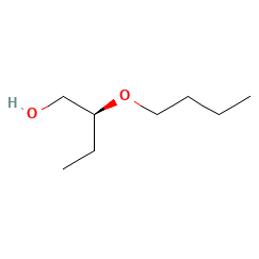
| Nome IUPAC | (2S)-2-butoxybutan-1-ol |
|---|---|
| Fórmula molecular | C8H18O2 |
| Massa molecular | 146.23 |
| InChIKey | BJZYYSAMLOBSDY-QMMMGPOBSA-N |
| SMILES | CCCCOC(CC)CO |
Perigos principais
 Irritant
- H319Causes serious eye irritation
- H412Harmful to aquatic life with long lasting effects
A classificação de perigo é reproduzida do conjunto de dados de origem. Confirme sempre com a ficha de dados de segurança (FDS) do fornecedor antes de manusear.
Sinónimos
- 25190-06-1
- Polytetramethylene Ether Glycol (PTHF)
- Terathane(R) 1400
- SCHEMBL548775
- PTMG2000
- MFCD00148879
Ainda não há nenhum fornecedor verificado associado a este produto, mas pode publicar um pedido de compra — os fornecedores chineses correspondentes enviar-lhe-ão cotações diretamente.
Publicar um pedido de compra