
ポリウレタン
ポリウレタンフォーム、エラストマー、塗料、接着剤向けのイソシアネート、ポリオール、プレポリマー、硬化剤。当プラットフォームの主力カテゴリであり、ここに掲載される各グレードは、買い手が見積依頼前に照合する CAS 検証済みの製品記録と突き合わせられます。軟質・硬質ポリウレタン化学は SupplierAssess が現在もっとも深いサプライヤー網を持つ領域であるため、分類体系の先頭に置かれています。
サブカテゴリー
このカテゴリの物質のリファレンス記録です。公開化学データベースから集約しており、各項目に出典を明記しています。
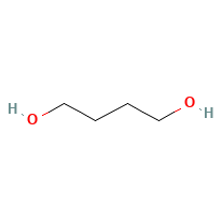 1,4-ButanediolCAS 110-63-4C4H10O2

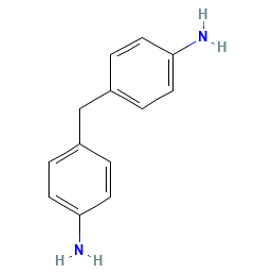 4,4'-MethylenedianilineCAS 101-77-9C13H14N2


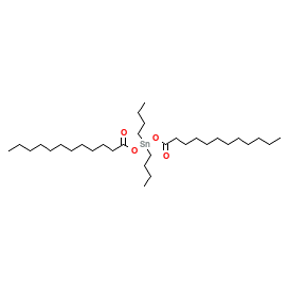 Dibutyltin DilaurateCAS 77-58-7C32H64O4Sn
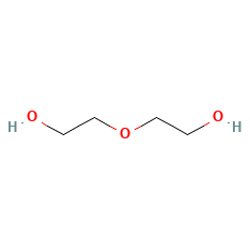 Diethylene GlycolCAS 111-46-6C4H10O3
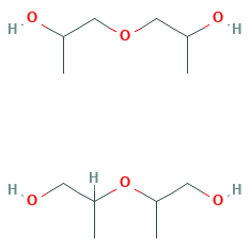 Dipropylene GlycolCAS 25265-71-8C12H28O6

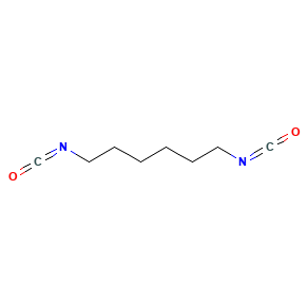 Hexamethylene DiisocyanateCAS 822-06-0C8H12N2O2

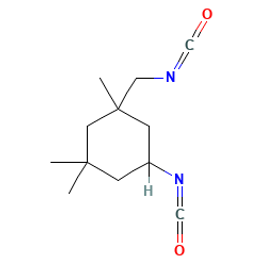 Isophorone DiisocyanateCAS 4098-71-9C12H18N2O2
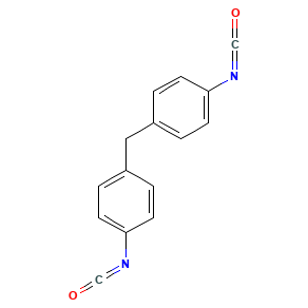 Methylene Diphenyl DiisocyanateCAS 101-68-8C15H10N2O2
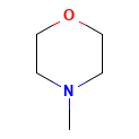 N-MethylmorpholineCAS 109-02-4C5H11NO

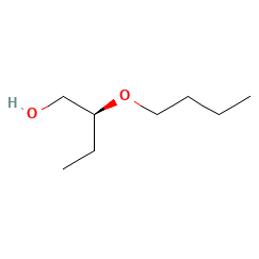 Polytetramethylene Ether GlycolCAS 25190-06-1C8H18O2
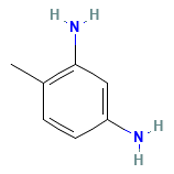 Toluene-2,4-diamineCAS 95-80-7C7H10N2
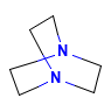 TriethylenediamineCAS 280-57-9C6H12N2
1,4-Butanediol
CAS 110-63-4
1,4-Butanediol (BDO, CAS 110-63-4) is a versatile diol and one of the most important C4 intermediates in the chemical industry. Its largest outlet is polyurethane, where BDO acts as the chain extender that reacts with MDI or TDI prepolymers to build the hard segment of cast elastomers, TPU and microcellular foams. The second major outlet is polybutylene terephthalate (PBT), where BDO is the diol monomer. The third is tetrahydrofuran (THF), produced by acid-catalysed cyclisation of BDO and itself the precursor to PTMEG. Technical grade material is typically 99.5-99.8% pure with a melting point near 20 °C, so drums and ISO tanks are usually heat-traced in cold weather.
1 社のサプライヤー · 更新 2026-11-10
MDI
CAS 9016-87-9
Diphenylmethane diisocyanate (MDI, CAS 9016-87-9 for the polymeric grade) is the aromatic isocyanate that anchors rigid polyurethane chemistry. Polymeric MDI is a brown liquid mixture of monomeric 4,4′-MDI with higher oligomers, quoted by NCO content (typically 30.5-32.0%) rather than by purity. Its functionality above two builds the cross-linked network that gives rigid foam its compressive strength and dimensional stability, while pure 4,4′-MDI is used for thermoplastic polyurethane and cast elastomers. Buyers compare NCO content, viscosity at 25 °C, acidity, hydrolyzable chlorine and colour stability, and require drums purged under dry nitrogen because the product reacts with moisture.
0 社のサプライヤー · 更新 2026-10-03
PPG
CAS 25322-69-4
Polypropylene glycol (PPG, polyether polyol, CAS 25322-69-4) is the polyol partner for MDI and TDI in the majority of polyurethane systems. It is made by base-catalysed ring-opening polymerisation of propylene oxide onto a starter such as glycerol, sorbitol or a diol, which fixes the functionality and hydroxyl value that a foam or elastomer formulator needs. Hydroxyl value, functionality, viscosity and water content are the buying parameters: hydroxyl value sets the stoichiometric isocyanate index, and residual water consumes isocyanate and releases carbon dioxide, so drum water content is usually specified below 0.1%. Di- and tri-functional grades cover flexible foam, rigid foam, sealants and coatings.
0 社のサプライヤー · 更新 2026-10-03
PTMEG
CAS 25190-06-1
Polytetramethylene ether glycol (PTMEG, polytetrahydrofuran, CAS 25190-06-1) is the premium polyether polyol used where a polyurethane has to survive flexing cycles for years. Its regular, linear backbone and low unsaturation let the soft segment crystallise, so PTMEG-based spandex, TPU and cast elastomers deliver far better rebound, hydrolysis resistance and dynamic fatigue life than conventional PPG systems. Grades are sold by number-average molecular weight (most commonly 1000, 2000 and 3000 g/mol) with tight hydroxyl value, colour (APHA) and moisture limits. It is the polyol behind elastane fibres, roller and wheel compounds and high-performance copolyester elastomers.
0 社のサプライヤー · 更新 2026-10-03
TDI
CAS 26471-62-5
Toluene diisocyanate (TDI, CAS 26471-62-5) is supplied as the 80:20 or 65:35 mixture of the 2,4- and 2,6-isomers and is the standard isocyanate for flexible polyurethane foam. The asymmetry of the 2,4-isomer makes the foam rise and cure fast enough for slabstock and moulded production, which is why TDI still dominates mattress, furniture and automotive seating foam despite its higher vapour pressure. The material is a respiratory sensitiser, so export lots ship in dedicated 250 kg drums or ISO tanks with strict handling documentation. Buyers compare isomer ratio, NCO content, acidity and total chlorine, and increasingly ask for lower free-TDI prepolymer grades.
0 社のサプライヤー · 更新 2026-10-03