
Polytetramethylene ether glycol (PTMEG, polytetrahydrofuran, CAS 25190-06-1) is the premium polyether polyol used where a polyurethane has to survive flexing cycles for years. Its regular, linear backbone and low unsaturation let the soft segment crystallise, so PTMEG-based spandex, TPU and cast elastomers deliver far better rebound, hydrolysis resistance and dynamic fatigue life than conventional PPG systems. Grades are sold by number-average molecular weight (most commonly 1000, 2000 and 3000 g/mol) with tight hydroxyl value, colour (APHA) and moisture limits. It is the polyol behind elastane fibres, roller and wheel compounds and high-performance copolyester elastomers.
Escenarios de aplicación
- Spandex / elastane fibre soft segment
- Thermoplastic polyurethane (TPU) and cast PU elastomers
- Copolyester-ether elastomers
- Industrial rollers, wheels and drive belts
- Urethane coatings and high-resilience foam
Sourcing notes for buyers
- PTMEG is bought by number-average molecular weight — 1000, 2000 and 3000 g/mol cover most spandex, TPU and cast elastomer formulations — with hydroxyl value moving inversely with Mn.
- PTMEG 2000 melts near room temperature and is normally stored warm, around 40–50 °C, under nitrogen. Cold storage makes it impossible to drum out and invites moisture pickup.
- Oxidation is PTMEG’s weak point: aged material shows rising peroxide value, worsening colour and inconsistent molecular weight. Ask for peroxide value and APHA colour on the COA, not only hydroxyl value.
- Batch-to-batch Mn consistency matters more here than in foam polyols: spandex spinning and TPU extrusion run on a tight, repeatable soft-segment molecular weight.
- Drums and IBCs are standard, with heated ISO tanks for larger volumes. Confirm the seller’s nitrogen blanketing and drum-liner practice before committing to a full container.
- PTMEG costs several times what a conventional polyether polyol costs per tonne, so quotes should state Mn, hydroxyl value, water and colour together — a lower price usually just means a different grade.
| Compound | PTMEG | Catalog No. | SA-25190061 | CAS No. | 25190-06-1 |
|---|
| Molecular Weight | 1000 / 2000 / 3000 g·mol⁻¹ |
|---|---|
| Hydroxyl Value | 57 - 112 mg KOH/g |
| Water Content | ≤ 0.05% |
| HS Code | 3907.20 |
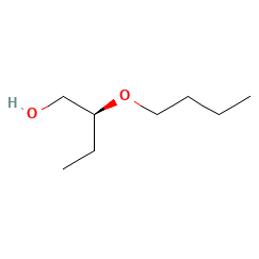
| Nombre IUPAC | (2S)-2-butoxybutan-1-ol |
|---|---|
| Fórmula molecular | C8H18O2 |
| Masa molecular | 146.23 |
| InChIKey | BJZYYSAMLOBSDY-QMMMGPOBSA-N |
| SMILES | CCCCOC(CC)CO |
Peligros principales
 Irritant
- H319Causes serious eye irritation
- H412Harmful to aquatic life with long lasting effects
La clasificación de peligros se reproduce del conjunto de datos de origen. Confirme siempre con la ficha de datos de seguridad (FDS) del proveedor antes de manipularlo.
Sinónimos
- 25190-06-1
- Polytetramethylene Ether Glycol (PTHF)
- Terathane(R) 1400
- SCHEMBL548775
- PTMG2000
- MFCD00148879
Todavía no hay ningún proveedor verificado vinculado a este producto, pero puedes publicar una solicitud de compra — los proveedores chinos que coincidan te enviarán cotizaciones directamente.
Publicar una solicitud de compra