
Grundchemikalien
Hochvolumige anorganische und organische Bausteine: Chloralkaliprodukte, technische Säuren und Basen, mineralische Füllstoffe, Oleochemikalien, Petrochemikalien und Bulk-Lösungsmittel. Sie speisen nahezu jede nachgelagerte Chemie, daher vergleichen Käufer eher Gehalt, Verunreinigungsgrenzen, Verpackungsformat und Lieferzuverlässigkeit als Differenzierung. Enthält chinesische Hersteller mit veröffentlichter Kapazität und Exportdokumentation.
Referenzdatensätze für Stoffe dieser Kategorie, zusammengeführt aus öffentlichen chemischen Datenbanken. Jeder Eintrag nennt seine Quelle.
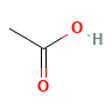 Acetic AcidCAS 64-19-7C2H4O2


 AcetoneCAS 67-64-1C3H6O

 AcetonitrileCAS 75-05-8C2H3N
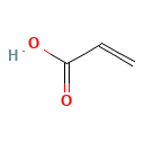 Acrylic AcidCAS 79-10-7C3H4O2

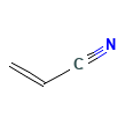 AcrylonitrileCAS 107-13-1C3H3N


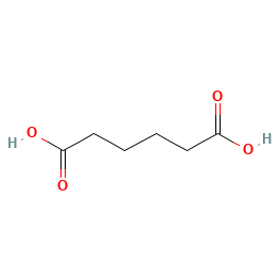 Adipic AcidCAS 124-04-9C6H10O4
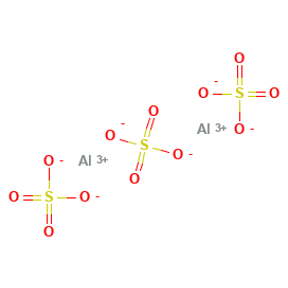 Aluminum SulfateCAS 10043-01-3Al2O12S3
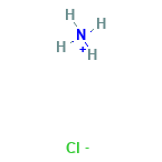 Ammonium ChlorideCAS 12125-02-9ClH4N
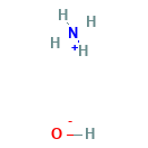 Ammonium HydroxideCAS 1336-21-6H5NO
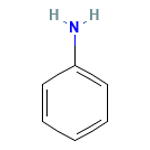 AnilineCAS 62-53-3C6H7N
 BenzeneCAS 71-43-2C6H6
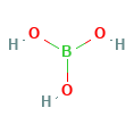 Boric AcidCAS 10043-35-3BH3O3
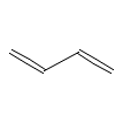 ButadieneCAS 106-99-0C4H6

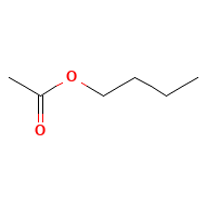 Butyl AcetateCAS 123-86-4C6H12O2
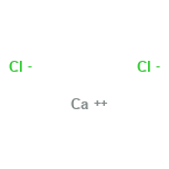 Calcium ChlorideCAS 10043-52-4CaCl2
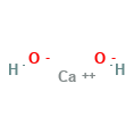 Calcium HydroxideCAS 1305-62-0CaH2O2
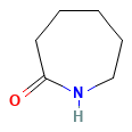 CaprolactamCAS 105-60-2C6H11NO
 Carbon DisulfideCAS 75-15-0CS2
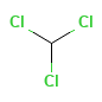 ChloroformCAS 67-66-3CHCl3
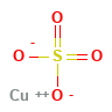 Copper SulfateCAS 7758-98-7CuO4S
 CyclohexaneCAS 110-82-7C6H12
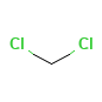 DichloromethaneCAS 75-09-2CH2Cl2
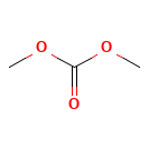 Dimethyl CarbonateCAS 616-38-6C3H6O3
 Dimethyl SulfoxideCAS 67-68-5C2H6OS
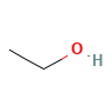 EthanolCAS 64-17-5C2H6O
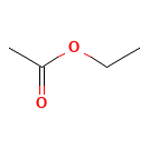 Ethyl AcetateCAS 141-78-6C4H8O2
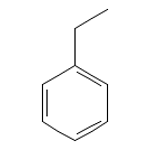 EthylbenzeneCAS 100-41-4C8H10
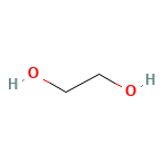 Ethylene GlycolCAS 107-21-1C2H6O2
 Ethylene OxideCAS 75-21-8C2H4O
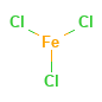 Ferric ChlorideCAS 7705-08-0Cl3Fe
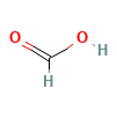 Formic AcidCAS 64-18-6CH2O2
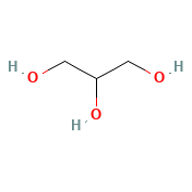 GlycerolCAS 56-81-5C3H8O3
 Hydrochloric AcidCAS 7647-01-0ClH
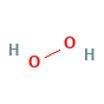 Hydrogen PeroxideCAS 7722-84-1H2O2

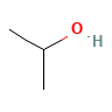 Isopropyl AlcoholCAS 67-63-0C3H8O
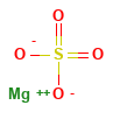 Magnesium SulfateCAS 7487-88-9MgO4S
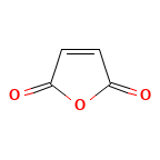 Maleic AnhydrideCAS 108-31-6C4H2O3
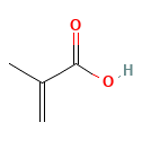 Methacrylic AcidCAS 79-41-4C4H6O2
 MethanolCAS 67-56-1CH4O
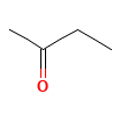 Methyl Ethyl KetoneCAS 78-93-3C4H8O
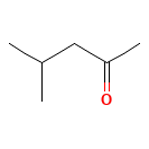 Methyl Isobutyl KetoneCAS 108-10-1C6H12O
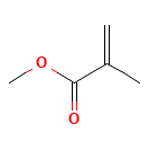 Methyl MethacrylateCAS 80-62-6C5H8O2
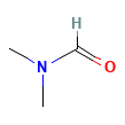 N,N-DimethylformamideCAS 68-12-2C3H7NO
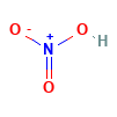 Nitric AcidCAS 7697-37-2HNO3
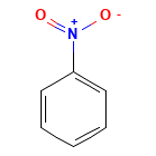 NitrobenzeneCAS 98-95-3C6H5NO2
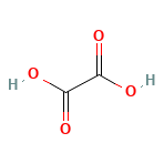 Oxalic AcidCAS 144-62-7C2H2O4
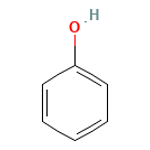 PhenolCAS 108-95-2C6H6O
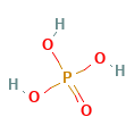 Phosphoric AcidCAS 7664-38-2H3O4P
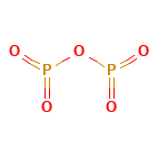 Phosphorus PentoxideCAS 1314-56-3O5P2
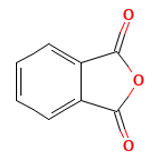 Phthalic AnhydrideCAS 85-44-9C8H4O3
 Potassium HydroxideCAS 1310-58-3HKO
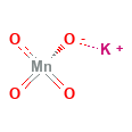 Potassium PermanganateCAS 7722-64-7KMnO4
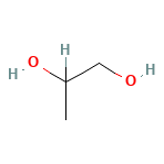 Propylene GlycolCAS 57-55-6C3H8O2
 Propylene OxideCAS 75-56-9C3H6O
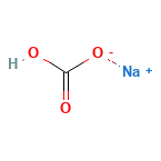 Sodium BicarbonateCAS 144-55-8CHNaO3
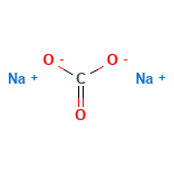 Sodium CarbonateCAS 497-19-8CNa2O3
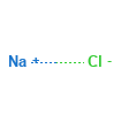 Sodium ChlorideCAS 7647-14-5ClNa
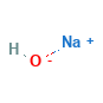 Sodium HydroxideCAS 1310-73-2HNaO
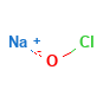 Sodium HypochloriteCAS 7681-52-9ClNaO
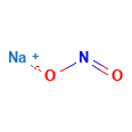 Sodium NitriteCAS 7632-00-0NNaO2
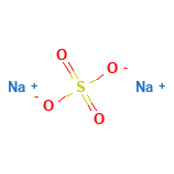 Sodium SulfateCAS 7757-82-6Na2O4S
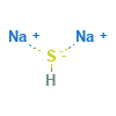 Sodium SulfideCAS 1313-82-2HNa2S+
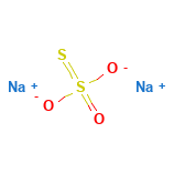 Sodium ThiosulfateCAS 7772-98-7Na2O3S2
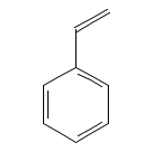 StyreneCAS 100-42-5C8H8
 SulfurCAS 7704-34-9S
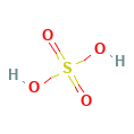 Sulfuric AcidCAS 7664-93-9H2O4S
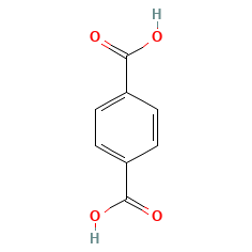 Terephthalic AcidCAS 100-21-0C8H6O4
 TetrahydrofuranCAS 109-99-9C4H8O
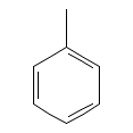 TolueneCAS 108-88-3C7H8
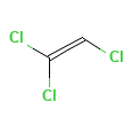 TrichloroethyleneCAS 79-01-6C2HCl3
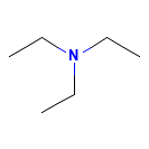 TriethylamineCAS 121-44-8C6H15N
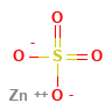 Zinc SulfateCAS 7733-02-0O4SZn
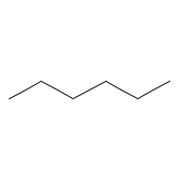 n-HexaneCAS 110-54-3C6H14
Acetic Acid
CAS 64-19-7
Acetic acid (CH3COOH, CAS 64-19-7) is the simplest carboxylic acid and the entry point to the C2 chemical chain. Its largest single outlet is acetic anhydride, which in turn feeds cellulose acetate for cigarette filters and textile fibres; the remainder goes into vinyl acetate monomer for adhesives and paints, into the plastic, pharmaceutical, dye, insecticide, textile, rubber and photographic industries, and into a long tail of esters used as solvents in coatings and inks. Dilute solutions are familiar as photographic stop bath, and the acid is used as a wet etchant in semiconductor manufacturing. "Glacial" is the standard industrial form buyers specify; food-grade material is the same molecule sold against food-additive specifications.
8 Lieferanten · aktualisiert 2026-11-10
Sulfuric Acid
CAS 7664-93-9
Sulfuric acid (H2SO4, CAS 7664-93-9) is the most produced industrial chemical by tonnage, and its consumption is still read as a proxy for a country's industrial output. The largest share goes to fertiliser production — phosphoric acid by the wet process and ammonium sulphate — with the balance split between petroleum alkylation and refining, lead-acid battery electrolyte, metal cleaning and pickling, copper and lead smelting, pulp digestion, and increasingly semiconductor wafer cleaning at 96% strength. Commercial acid ships at 93-98% H2SO4: 98% (66 °Baumé) is the standard trading grade, while 60 °Baumé (77.7%) is chosen where lower freezing risk matters. Technical grade is screened on iron, SO2 and nitrate.
7 Lieferanten · aktualisiert 2026-11-10
Hydrochloric Acid
CAS 7647-01-0
Hydrochloric acid (HCl, CAS 7647-01-0) is the aqueous solution of hydrogen chloride and one of the highest-volume mineral acids in industrial use. Its main outlets are the production of chlorides, ore refining — notably tin and tantalum — and steel pickling, where it strips mill scale from hot-rolled coil before galvanising. It is also used to regenerate ion-exchange resins, neutralise alkaline effluent, acidise oil wells, refine edible oils and tan leather, and serves as a wet etchant in semiconductor fabs. Commercial material ships at 28-38% HCl: the fuming "concentrated" grade is 38%, while 31% (22 °Baumé) and 35% are the most traded strengths. Technical, FCC, NF and USP grades are all catalogued, with iron and free chlorine as the impurities buyers screen on.
6 Lieferanten · aktualisiert 2026-11-10
Ethanol
CAS 64-17-5
Ethanol (C2H5OH, CAS 64-17-5) is the smallest alcohol and the workhorse solvent of the pharmaceutical, coatings and personal-care industries. It is bactericidal and is used as a topical disinfectant and hand-sanitiser base; as a solvent and preservative it carries active ingredients in pharmaceutical preparations, and it thins paints, inks and coatings. Other established outlets are leather tanning and processing, surface cleaning, and the manufacture of esters and other intermediates. Because beverage use is restricted in most markets, industrial buyers usually specify a denatured grade — the specially denatured alcohol (SDA) formulations render the material unfit for drinking while keeping it usable in the named applications. Beyond solvent duty it is an octane booster in gasoline, an antifreeze and fuel component, a reagent in synthetic organic chemistry and chromatography, a pharmaceutic aid, and as Alcohol Denat. it is the base of colognes, lotions and tonics.
5 Lieferanten · aktualisiert 2026-11-10
Ammonium Hydroxide
CAS 1336-21-6
Ammonium hydroxide (NH4OH, CAS 1336-21-6) is ammonia dissolved in water — in commerce almost always sold and labelled by its ammonia strength rather than as a true hydroxide. At 28% NH3 it is the "aqua ammonia" of the fertiliser trade and of flue-gas NOx scrubbing; dilute grades are used to pH-adjust boiler feedwater, extract metals, purify water and develop photographic film. It is also a raw material for rayon and other textile fibres, pharmaceuticals, paper, rubber, detergents and printing inks. Buyers normally specify strength and grade rather than "purity": 28% technical and 10% household are the common strengths, 16/20/26% are catalogued alongside NF and FCC grades, and USP strong ammonia solution runs 27-30% w/v NH3.
0 Lieferanten · aktualisiert 2026-10-22