
Ethylene glycol (monoethylene glycol, MEG, CAS 107-21-1) is a colourless, hygroscopic diol produced from ethylene oxide. Its dominant uses are as the base fluid for antifreeze and engine coolants and as a monomer with purified terephthalic acid in polyester fibre, PET bottle resin and polyester film production. It is also used as a heat-transfer fluid, a dehydrating agent in natural-gas processing and an intermediate for unsaturated polyester resins. Buyers compare purity, diethylene glycol content, water, acidity and UV transmittance, especially for fibre and bottle-grade polyester.
Application scenarios
- Antifreeze and engine coolant base fluid
- Polyester fibre and PET bottle resin
- Unsaturated polyester resin intermediate
- Heat transfer and chilled water systems
- Natural gas dehydration
- De-icing fluids
| Compound | Ethylene Glycol | Catalog No. | SA-107211 | CAS No. | 107-21-1 |
|---|
| Diethylene Glycol | ≤ 0.08% |
|---|---|
| Water Content | ≤ 0.08% |
| HS Code | 2905.31 |
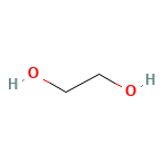
| IUPAC name | ethane-1,2-diol |
|---|---|
| Molecular formula | C2H6O2 |
| Molecular weight | 62.07 |
| InChIKey | LYCAIKOWRPUZTN-UHFFFAOYSA-N |
| SMILES | C(CO)O |
Primary hazards
 Irritant
- H302Harmful if swallowed
Hazard classification is reproduced from the source dataset. Always confirm against the supplier safety data sheet before handling.
Synonyms
- ETHYLENE GLYCOL
- Ethane-1,2-diol
- 107-21-1
- 1,2-ethanediol
- glycol
- monoethylene glycol
- 2-hydroxyethanol
- 1,2-Dihydroxyethane
- Glycol alcohol
- Ethylene alcohol
- Fridex
- Tescol
- Norkool
- Ethylene dihydrate
- +46 more
Sourced from